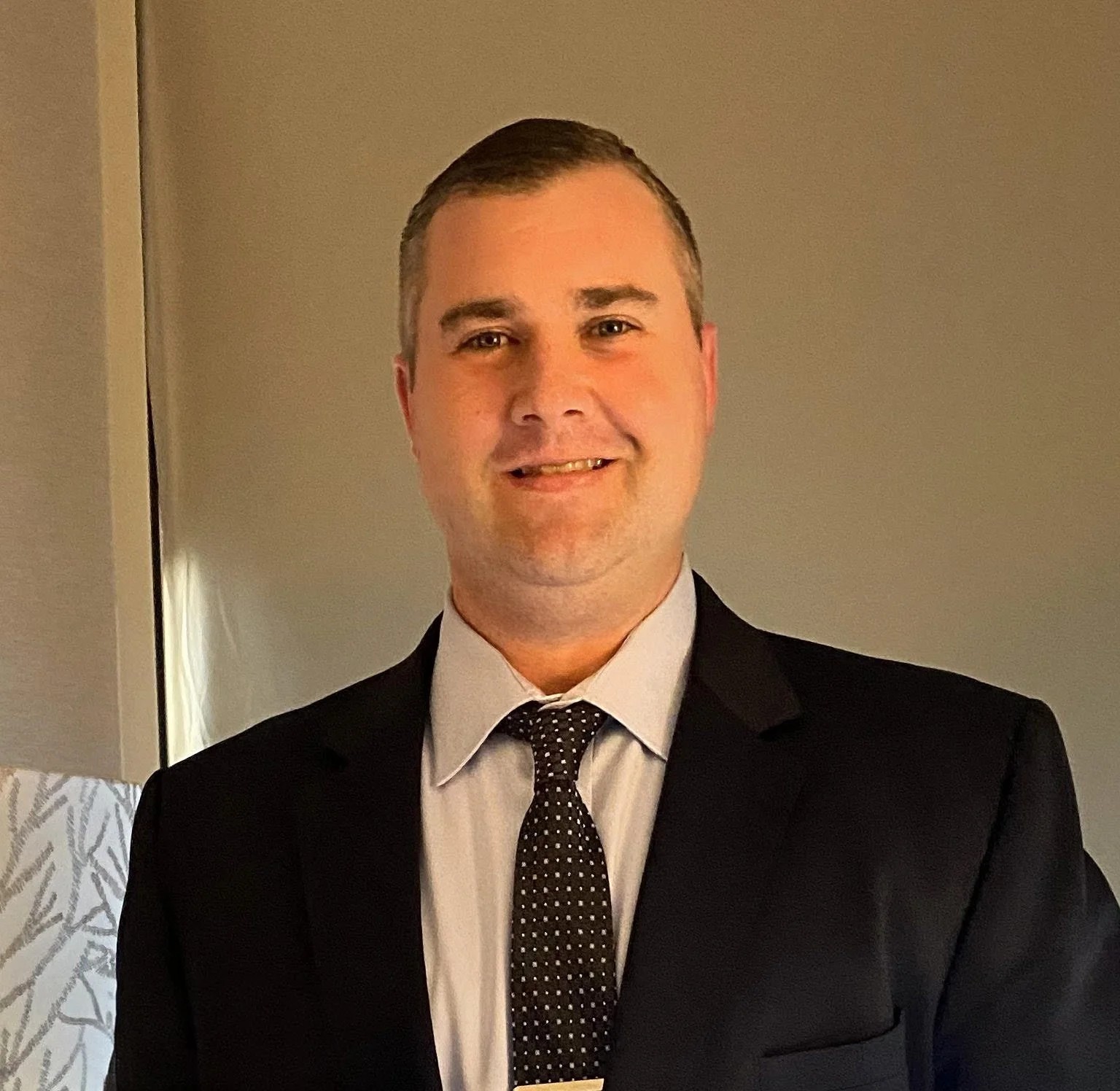
VP's Insights: Why Every Business Is in the Hospitality Business
I’ve spent more than two decades working across hospitality, business operations, entrepreneurship, real estate, and finance. Those industries may look very different from the outside, but the longer I’ve been in business, the more I’ve realized they have something fundamental in common: they are all people businesses.
I started learning that lesson in hospitality. When most people hear the word hospitality, they naturally think about restaurants, hotels, food, or customer service. I understand why, but I think that definition is far too narrow. To me, hospitality is a mindset. It’s about understanding how people experience you, your leadership, and your organization, and recognizing that those experiences ultimately have real business consequences.
That principle applies whether you’re serving a guest in a restaurant, managing hundreds of employees, negotiating a real estate transaction, raising capital, advising a business owner, or sitting across the table from an investor. Every business has employees, customers, partners, vendors, or investors. Every business depends on relationships in some capacity. That’s why I’ve come to believe that, whether they realize it or not, virtually every company is in the hospitality business.
Service and Hospitality Are Not the Same Thing
One of the biggest lessons hospitality taught me was the difference between providing service and actually creating an experience. Service is primarily about execution. Did we deliver what we promised? Did we complete the work correctly? Did we meet the deadline? Did we solve the problem? Those things are obviously important, but hospitality goes a step further by asking how the person felt throughout the process.
You can execute a transaction perfectly and still lose a relationship. You can also make a mistake and, depending on how you communicate and respond, actually strengthen a relationship. I’ve seen both happen. Accountability, communication, empathy, and the ability to recover when something goes wrong matter tremendously because people rarely evaluate a business based solely on the final product. They remember the experience of getting there.
There is also a measurable business case behind this. Gallup’s Q12 research has found meaningful differences in profitability, productivity, and customer loyalty or engagement between highly engaged and less-engaged business units. Gallup Q12 Meta-Analysis That reinforces something I learned long before I ever saw the statistics: the way leaders treat their people eventually finds its way to the customer.
Leadership influences employee experience, and employee experience influences how people communicate, solve problems, take ownership, and interact with customers. Those interactions eventually affect customer experience, reputation, retention, and financial performance. You cannot consistently make employees feel unimportant and then expect those same employees to make customers feel important. Culture eventually shows up in the customer experience.
Hospitality Does Not Mean Being Soft
This is probably one of the biggest misconceptions about hospitality. It does not mean saying yes to everyone, avoiding difficult conversations, or lowering your standards. One of the best leaders I’ve ever worked with throughout my career is my business partner, and she can be incredibly demanding. She expects excellence, holds people accountable, and isn’t afraid to have uncomfortable conversations.
The difference is in how she does it. You can hold someone accountable without humiliating them. You can tell a client no without disrespecting them. You can disagree with someone without making the relationship adversarial. You can lose a transaction and still leave the door open to doing business together five years from now. To me, that balance between empathy and accountability is one of the most important qualities a leader can develop.
I’ve carried that philosophy into every business environment I’ve entered. In finance, for example, someone may come to us believing they simply need a loan. If all we care about is completing a transaction, we can immediately start looking for someone willing to provide the money. But experience has taught me to ask more questions first. What are you actually trying to accomplish? What does the business plan look like? Is capital really the problem, or is the issue the structure, timing, liquidity, operations, or something else entirely?
That is hospitality applied to business. You listen before you prescribe a solution. I learned this firsthand when a client came to me looking to finance a home acquisition. On paper, he qualified, and completing the deal would have earned me $50,000. But looking at his full picture, it was clear he was going to be house poor and unable to take vacations or do any of the things he routinely enjoyed with his family. I told him I wasn’t comfortable moving forward with the loan and advised him to wait a year to save more money. He was pretty angry with me at the time. I stood my ground anyway. A few months later, he called me back, thanked me, and admitted I was right. He ended up referring multiple clients to me after that. Sometimes the best thing you can do for a client is tell them that what they originally asked for may not be what they actually need. You might lose some short-term revenue by operating that way, but you also have an opportunity to earn something far more valuable: trust.
The Competitive Advantage That Is Difficult to Copy
Technology can be copied. Competitors can lower their prices. Products can become commoditized, and expertise becomes more widely available over time. The human experience is much harder to replicate because it depends on culture, leadership, judgment, communication, and consistency.
PwC research has found that customer experience plays an important role in purchasing decisions and that consumers can place additional value on friendly, welcoming experiences. PwC Future of Customer Experience Survey But putting “customer first” on a wall doesn’t create hospitality. It has to become part of how the company actually operates.
That means hiring people who genuinely care about people, training leaders to listen before reacting, communicating when something goes wrong instead of disappearing, and giving employees enough authority to solve reasonable problems. It also means understanding that every email, phone call, meeting, invoice, negotiation, and follow-up contributes to someone’s perception of your organization. Most relationships aren’t won or lost because of one enormous moment. They’re built through dozens of small ones.
As technology, automation, and artificial intelligence continue to make businesses faster and more efficient, I actually believe the human side of business becomes more valuable. People still want to be heard. Employees still want to be respected. Clients still appreciate transparency when something goes wrong. Investors still want communication. Customers still remember how you treated them.
After more than two decades of leading people and operating businesses, I’ve become much less interested in winning a single transaction and much more interested in building relationships that can last for years. Hospitality taught me that performance and humanity are not competing ideas. When they are properly balanced, they strengthen each other.
Disclaimer:
This article is provided for educational purposes only and should not be construed as financial, legal, tax, or investment advice. The financing program described is a specific bank product offered through one of Gold Moon Capital Group’s lending partners and is currently available only on qualifying primary residences, second homes, and investment properties located in New York and Florida. This lender’s program utilizes stated income rather than traditional income verification; however, all loans remain subject to lender underwriting, credit approval, appraisal, title review, and satisfaction of all applicable lending requirements. Program availability, rates, terms, property eligibility, geographic availability, and underwriting guidelines are subject to change without notice. Borrowers should consult with their legal, tax, and financial advisors before making any financing decisions.